Author Archives: mdjkf

Revised sepsis definitions are a scene changer!
These carefully wrought new definitions potentially revolutionise our approach and will provide greater diagnostic clarity for more rapid recognition and treatment. Highly relevant to all clinicians. Recommendations (JAMA current edition) Editorial and several other items of note (all free access) Sepsis should be defined as life-threatening organ dysfunction caused by a dysregulated host response to infection. For […]

Oral antibiotics for paronychia: unexpected outcomes of ‘killing a fly with a cannon’
The recommended treatment for mild paronychia is conservative. Warm compresses or soaks are used, along with topical antibiotics with or without topical steroids. If an abscess has formed around the nail, incision and drainage is added. Oral antibiotics are only recommended in refractory cases or in patients with comorbidities such as diabetes or immunosuppression. We […]
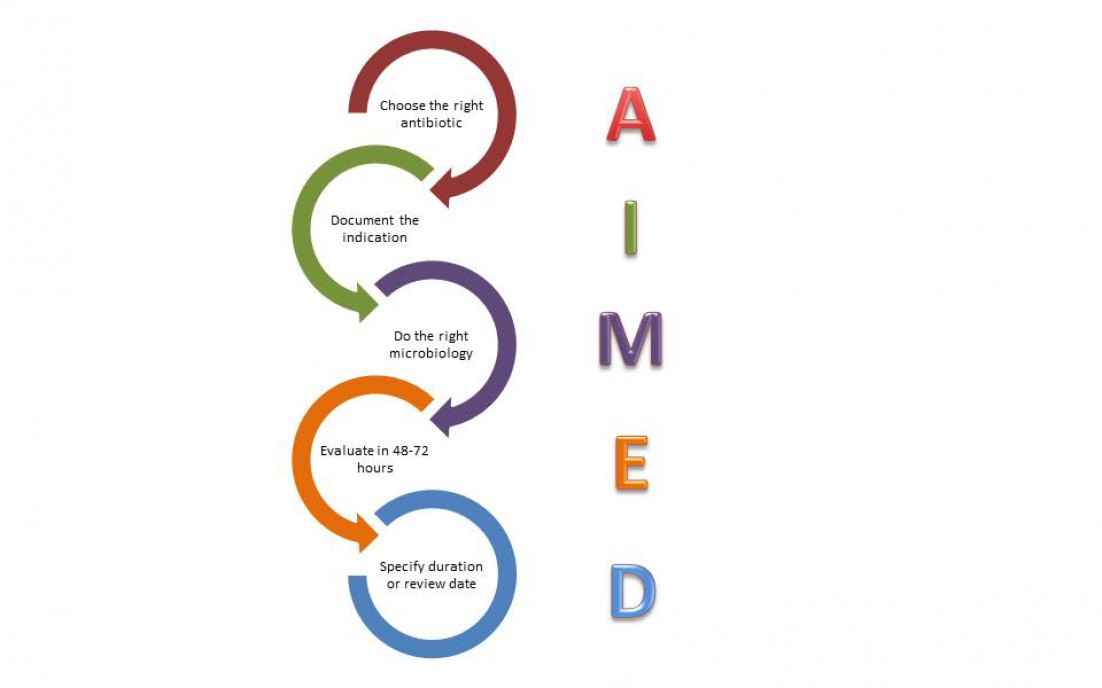
AIMED- dedicated to better use of antibiotics
AIMED stands for five essential principles that seek to optimise patient treatment with antimicrobials (antibiotics). Antimicrobial stewardship 101 – excellent overview from McKenzie, Rawlins and Del Mar in Australian Prescriber.

Sparing meropenem 101 – treatment of ESCPM species and AmpC betalactamases unpacked
Guest post: Patrick Harris, Staff Specialist in Microbiology, Central Laboratory, Pathology Queensland, Brisbane Infectious disease and microbiology trainees diligently learn about organisms that have a type of broad-spectrum beta-lactamase (i.e. an enzyme that can inactivate betalactam antibiotics) called ‘AmpC’. These enzymes are encoded by a gene that is usually located on the chromosome of many Gram-negative […]

Appendicitis and antibiotics unpacked
Guest posting: Dr Celia Cooper, Paediatric Infectious Diseases & Microbiology, South Australia Pathology, Adelaide Dr Cooper’s recent presentation to the Australian New Zealand Paediatric Infectious Diseases Interest Group in November is provided with her permission. Her presentation highlights important messages: Post-operative antibiotics for patients with non-perforated appendicitis who have acute surgery are unnecessary (refer to IDSA Guidelines […]
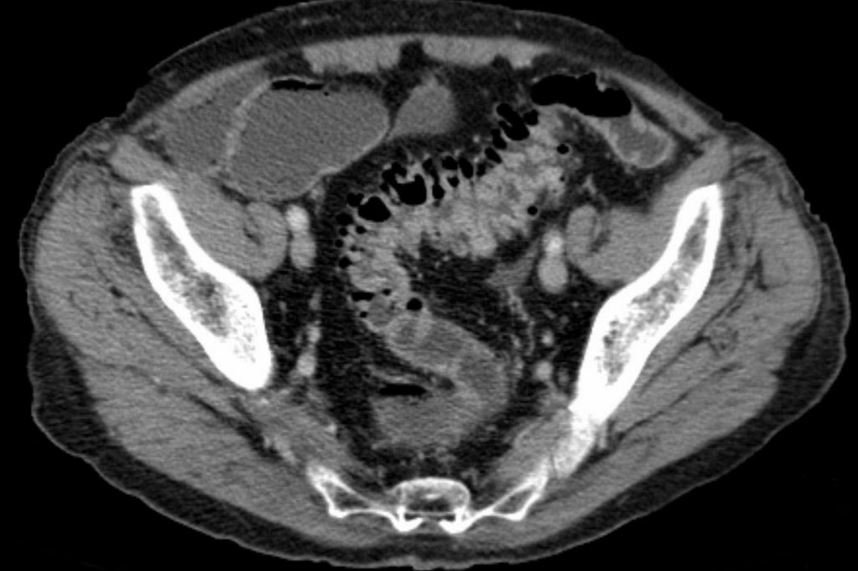
Let’s stop using antibiotics for uncomplicated diverticulitis
Guest posting : Dr Daniel Isacson, local GP (ex Swedish researcher) The evidence is out and there is no proven benefit in recovery or complication rates in treating these patients with or without antibiotics, but still many GPs and surgeons prefer to use antibiotics. How do we get the word across?

The art of antibiotic prescribing in general practice
Guest posting from Dr Gillian Deakin, General Practitioner and author of 101 Things Your GP Would Tell You If Only There Was Time. Beyond the usual medical challenges of appropriate prescribing, GPs also need skills to ensure that the patient accepts the treatment. Unlike the hospital patient where the patient is largely obliged to accept […]

Alternative recommended antibiotics to ceftriaxone by syndrome and bug
Ceftriaxone (a third generation cephalosporin-TGC) remains an overused agent in some of our (HNELHD) facilities. We aim to keep usage below 20 defined daily doses per 1000 patient-days (as is done at John Hunter Hospital for instance) to prevent adverse ecological impacts on resistance – increases in MRSA, VRE, multi-resistant Gram negatives and C. difficile are all associated […]

Trap – cellulitis or an acute Charcot’s foot ?
Updated 25/1/24 – C-reactive protein entry changed – CRP may not be normal An acute Charcot process within a neuropathic foot (often a diabetic patient) arises silently over some months and is often misdiagnosed as cellulitis due to the presence of skin warmth and redness. The process is usually unilateral.

Recurrent urinary tract infection in women – are antibiotics the answer?
What is the evidence? This interesting paper from 2010 discusses the natural history of UTI in women and distinguishes two conditions – the ‘urethral’ (or ‘dysuria/frequency’) syndrome’ (US) which affects a proportion of women with recurrent symptoms and many courses of treatment. It is known that US is a self-limited condition in a majority of patients. Some women are said to […]
 AIMED - Let's talk about antibiotics