Category General Practice
Antibiotic classes – why so important to know about them?
The antibiotic knowledge survey of our new interns this week, showed that many were confused about which class vancomycin (a glycopeptide) fell into (30% thought it was an aminoglycoside). This is a potentially dangerous confusion as the dosing, side effects and monitoring all differ substantially between these classes: Aminoglycoside Glycopeptide Indicative agents Gentamicin Vancomycin Dosing […]
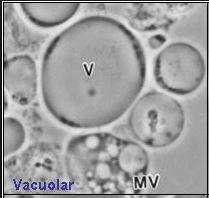
Blastocystis- commensal or culprit? Do I really care?
Guest posting from Dr Hema Varadhan, Clinical Microbiologist, Pathology North. This parasite intrigues me every time I validate a faecal PCR result. Why do we see these bugs more often than the others? Do we care? Do we need to treat? The RCPA recently provided relevant guidance concerning Blastocystis and Dientamoeba which is also useful […]

Magical thinking- do antibiotics improve chronic wound healing?
We’ve previously addressed this topic here. It’s certainly the case that chronic skin ulcers (leg or elsewhere) drive an enormous amount of antibiotic prescribing, perhaps because these ulcers are so hard to heal and a degree of therapeutic impatience occurs. The annual survey of chronic wounds last year in our health district indicated that 28% of inpatients […]

Lablogatory – medical pathology unpacked – a great clinical resource
If you have a curiosity about what actually goes on in a medical pathology lab. and matters pathological, then this is the site for you. There are fabulous clinical case presentations with detailed pathological correlation (many great photos) – just the thing for medical post graduate students but also great for others involved with diagnosis and treatment […]

Wasted spectrum 101 – amoxicillin+clavulanate overuse
Amoxicillin+clavulanate (Augmentin) is an important broad spectrum agent that includes Gram negative anaerobic coverage (see below). We rely on it for a variety of complex infections, often as a second line. Compared with amoxycillin alone, the incidence of gastrointestinal, hepatic and haematological side effects is significantly higher for amoxicillin+clavulanic acid. It may be associated with a […]

Treatment of boils – Oz GPs reluctant to rely on scalpelmycin rather than antibiotics
Are you following best practice in the management of boils or recurrent skin infection? We’ve previously addressed this matter detailing a NEJM study that indicated that a majority of US doctors surveyed use incision and drainage only. This recent Australian study investigated treatment of community staphylococcal skin abscesses by GPs and showed that a majority do not follow […]

Acute sinusitis and sore throat in primary care – what evidence?
An excellent paper by Professor Chris Del Mar in Australian Prescriber unpacks the Cochrane reviews on the (quite minimal) value of antimicrobial treatment of these conditions. The evidence level is quite robust. For a summary, see below. It couples nicely with a recent pragmatic randomized controlled trial that examined the effectiveness of steam inhalation and nasal irrigation […]
Fatal case of meningococcal infection – a salutary tale
This unfortunate 27 year old pregnant woman collapsed at home with a seizure and then died soon after. She had a disseminated W135 serotype infection – this serotype has been associated with a number of recent severe cases in Hunter New England. Neisseria meningitidis case presentation Dr Rexson Tse May 2016 Perhaps there were no preventable […]

Kawasaki disease in a 13 month old diagnosed at post mortem
Originally posted on Microbiology and Infectious Diseases postgraduate teaching (PRIDA):
Guest posting: Dr Leah Clifton, NEWCASTLE DEPARTMENT OF FORENSIC MEDICINE, Forensic Pathology Registrar Kawasaki disease is characterized with acute systemic vasculitis, occurs predominantly in children between 6 months to 5 years of age. Patients with this disease recover well and the disease is self-limited in most cases…
 AIMED - Let's talk about antibiotics
Pathology stewardship – an essential element of AMS
Poor antimicrobial prescribing decisions often are triggered by laboratory results that create red herrings or worse. Inappropriate/ poor specimen collection and/or a request form that provides no context to the investigation often sets the ball rolling. Inappropriate workup and reporting of contaminant or colonising isolates may then follow (it may be impossible for the lab […]