Author Archives: mdjkf

The safe use of intraventricular colistin
Guest posting : Dr Jonathan Ash, Advanced training registrar, John Hunter Hospital. Ventriculitis is a rare but potentially disastrous complication of external ventricular drain placement, and with increasing rates of multi-drug resistant organisms, effective parenteral antibiotic choices are limited. Colistin has an established role in the treatment of infections caused by MDR Gram negatives, particularly […]

Piperacillin+tazobactam shortage – recommended alternatives – HNELHD
SITUATION Due to a global shortage, many Hunter New England Local Health District sites have low supplies of piperacillin+tazobactam with shortages likely until after September. It is essential that further use of this agent is conserved as below. Amoxycillin+clavulanate is now available in a parenteral form and is a suitable option in many circumstances, contingent on local […]
Overuse => global shortage! Let’s conserve what piperacillin+tazobactam we have left
Piperacillin+tazobactam (Tazocin) is one of our most important broad spectrum agents and is in short supply. Please conserve it by avoiding use in these common situations: Uncomplicated biliary sepsis (Use ampicillin+gentamicin(max 48hrs) OR if allergic, ceftriaxone) Urinary tract infection with sepsis (Use ampicillin+gentamicin(max 48 hrs) OR if allergic, ceftriaxone) Early onset (< 5d after admission) […]

IV amoxycillin+clavulanate available – uses in intra-abdominal infection – new guideline
We’ve previously counselled against augmentin overuse in a number of conditions which did not, however, include intra-abdominal infection where the new availability of an IV preparation offers us a way of reducing the use of the workhorse antibiotic piperacillin+tazobactam. Here is our freshly minted guideline which also provides more explicit advice about short or no […]
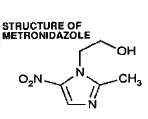
Nitroimidazoles: metronidazole, tinidazole – recent succinct overview
Guest post: Dr Rod Givney, Pathology North Microbiologist. How well do you know these commonly used drugs, their pros and cons? Here is an up-to-date overview prepared for our advanced trainee tutorial series. Nitroimidazoles overview 2017 Givney.

Relapse of Staphylococcus aureus bloodstream infection – patient information sheet
Staphylococcus aureus bloodstream infection (septicaemia) information card [Patient Label ] [ [ You were recently diagnosed with a blood infection caused by a bacterium called Staphylococcus aureus (“Golden Staph”). This infection has been treated with intravenous antibiotics. Whilst this usually cures the infection, there is a possibility that your infection could return within 3 months […]

Outpatient staphylococcal (MSSA or MRSA) eradication instructions
Eradication treatment aims to remove Staph. aureus (MRSA or MSSA) and reduce your risk from recurrent skin infection. If the first eradication treatment is unsuccessful, repeat treatment may be required. MRSA= methicillin-resistant Staphylococcus aureus (commonly referred to as golden staph); MSSA = methicillin-susceptible Staphylococcus aureus

Patient advice: recurrent staphylococcal infection
Natural history of recurrent staphylococcal infection Types of Staphylococcus aureus (including MRSA) can cause recurrent skin infections (e.g. boils) in children and adults who are otherwise well. The infections may recur over many months. Eventually the episodes become less frequent or disappear as the body (immune system) learns to deal with them. That may take […]
Q3 Tragedy of the commons and antimicrobial stewardship
Question 3 of our JMO pre-test survey asked about the aims of antimicrobial stewardship (yes, better ‘antimicrobial’ than ‘antibiotic’- antiviral, antifungal, antiparasitic resistance are issues as well). We gave you three options and all except one responded with the correct answer – all three! The order is important – treatment of the individual patient comes first: Optimise the effectiveness […]
Q2 Understanding antibiotic resistance and Staphylococcus aureus
Q2 in our JMO pre-test asked: “What is the main mechanism by which the bacterium Staphylococcus aureus becomes resistant to penicillin?” We gave alternatives enumerating basic mechanisms that micro-organisms use (often in combination) to become resistant to an antimicrobial agent (graphic below). Production of penicillinase (i.e. inactivation by a type of beta-lactamase) was the correct answer– more […]
 AIMED - Let's talk about antibiotics