Category General Practice
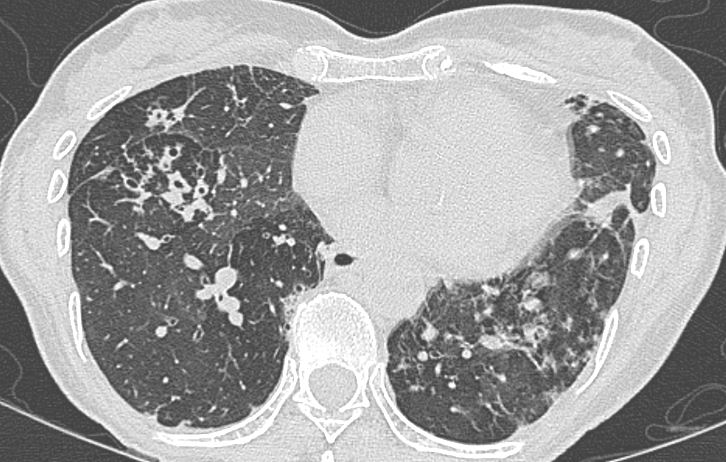
Bronchiectasis and goals of antibiotic treatment – thinking it through
The setting – patients with bronchiectasis (including those with cystic fibrosis) have impaired respiratory secretion clearance and a vastly different lower respiratory flora (microbiome) than patients with normal lungs. They are frequently colonised with conventional respiratory species such as Haemophilus influenzae and Moraxella catarrhalis, Staphylococcus aureus, a diverse range of Gram negative bacteria and even fungi. Colonisation/infection with non-tuberculous […]
Choosing wisely (IDSA): Avoid antibiotic therapy for lower limb stasis dermatitis or venous ulcers
The Infectious Diseases Society of America also has started a Choosing wisely campaign. This advice is valuable. In the recent District-wide wound surveillance survey across Hunter New England Health hospitals and community nursing services, there were over 900 patients with active wounds identified (including many venous ulcers related to stasis dermatitis). Of these 28% had received antibiotics in […]
Appropriate use of azithromycin
Azithromycin is a macrolide antibiotic with broad-spectrum bacteriostatic activity against many Gram-positive and Gram-negative bacteria. It also has activity against Mycoplasma pneumoniae, Treponema pallidum, Chlamydia sp. and Mycobacterium avium complex. In addition azithromycin has immunomodulating effects and is used in chronic respiratory inflammatory diseases, including cystic fibrosis, as an anti-inflammatory.
Acute infections that present with a normal or low white cell count (doxycycline deficiency!)
There is a long list that will vary according to your locale. Across Northern NSW, the important ones to consider include: Viral illnesses including influenza, adenovirus, viral hepatitis, parvovirus, EBV and CMV Rickettsial disease (spotted fevers, rarely murine typhus). See useful information page from NSW Health. Q Fever (Coxiella burnetti) (low platelets often, moderately abnormal […]
Is it really cellulitis? – differential diagnosis of a red leg
Cellulitis is frequently over-diagnosed. Clinical signs need to include more than just redness – other indications of inflammation are required for diagnosis – e.g. tenderness, pain, swelling, lymphangitis. The onset and progression of the disorder is also a good pointer – streptococcal cellulitis has a rapid onset usually with rapid expansion of the erythematous zone. New […]
Australian Antimicrobial Stewardship Clinical Care Standard
The Australian Commission on Safety and Quality in Healthcare, in collaboration with consumers, clinicians, researchers and health organisations, has developed the Antimicrobial Stewardship Clinical Care Standard and resources to guide and support its implementation. Increasing antibiotic resistance presents a challenge for clinicians and poses a significant public health risk. This new Standard is an important guide […]
 AIMED - Let's talk about antibiotics